Agriculture and Digital Innovations
Global Tech Inclusion Network
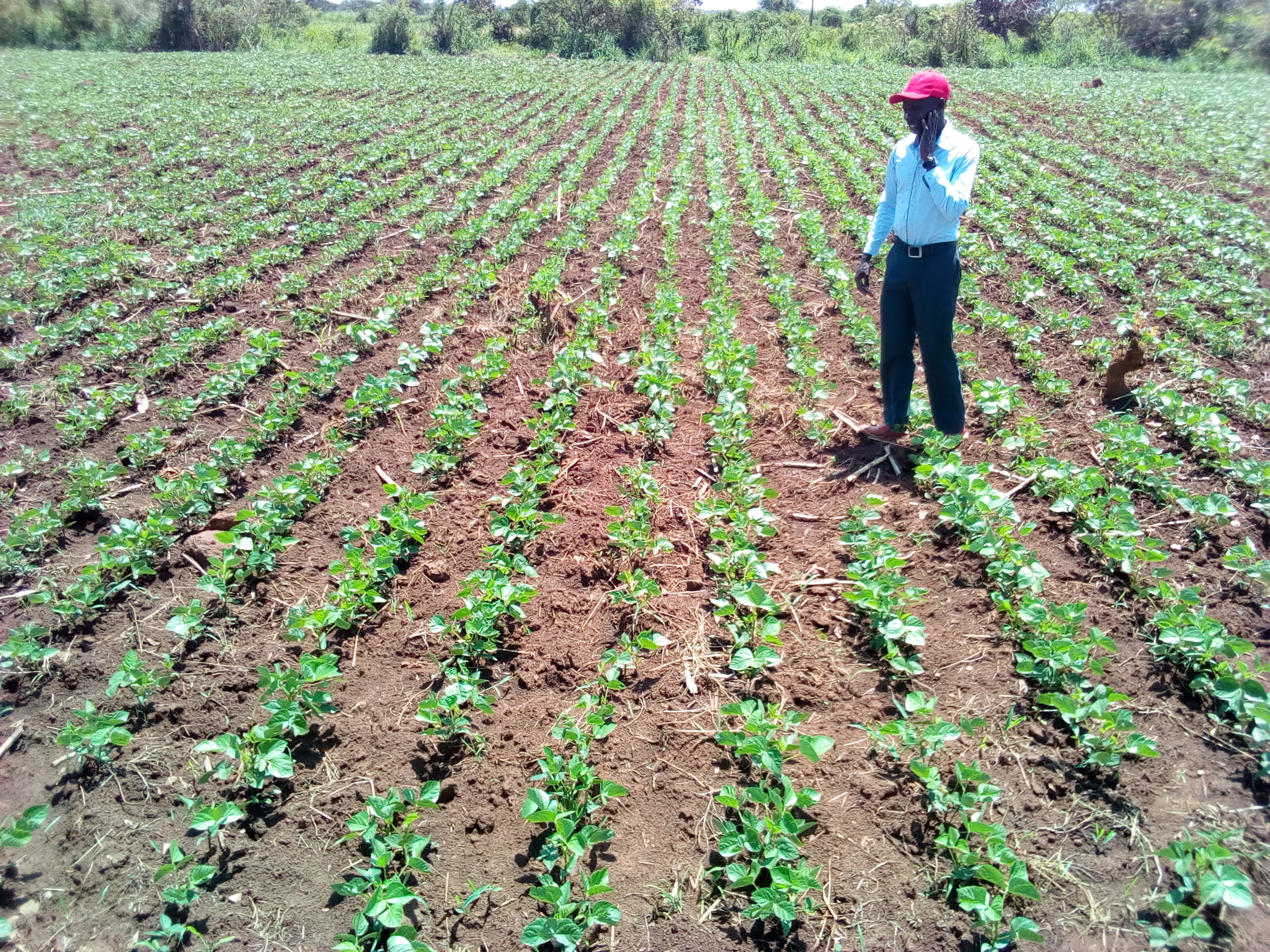
Agriculture is the cornerstone of many national economies, playing a vital role in the development and sustenance of rural and urban populations alike. In countries like Uganda, where the majority of the population relies on agriculture for their livelihood, the sector faces numerous challenges, including unreliable climatic conditions, pests and diseases, market scarcity, and a significant agricultural gender gap. These issues, coupled with traditional farming practices, hinder the potential of the agricultural sector to fully contribute to food security, employment, and economic growth. A thriving rural agricultural sector is not only essential for food security but also for the growth of other non-farm sectors that depend on it. As rural households earn a substantial portion of their income from agriculture, the sector is deeply intertwined with issues of poverty, hunger, and nutrition. The development of rural economies, largely dependent on agriculture, is constantly being reshaped by factors such as urbanization, changes in land use, market dynamics, and demographic shifts. We believe that the challenges of traditional agriculture can be effectively addressed through the use of Information and Communication Technologies (ICTs). By introducing digital innovations tailored to the needs of the rural agricultural sector, we aim to revolutionize farming practices, improve productivity, and increase income for smallholder farmers. Our focus is on leveraging digital tools to provide farmers with better access to markets, real-time information, and agricultural services, thereby enhancing their livelihoods and contributing to the overall development of rural communities.